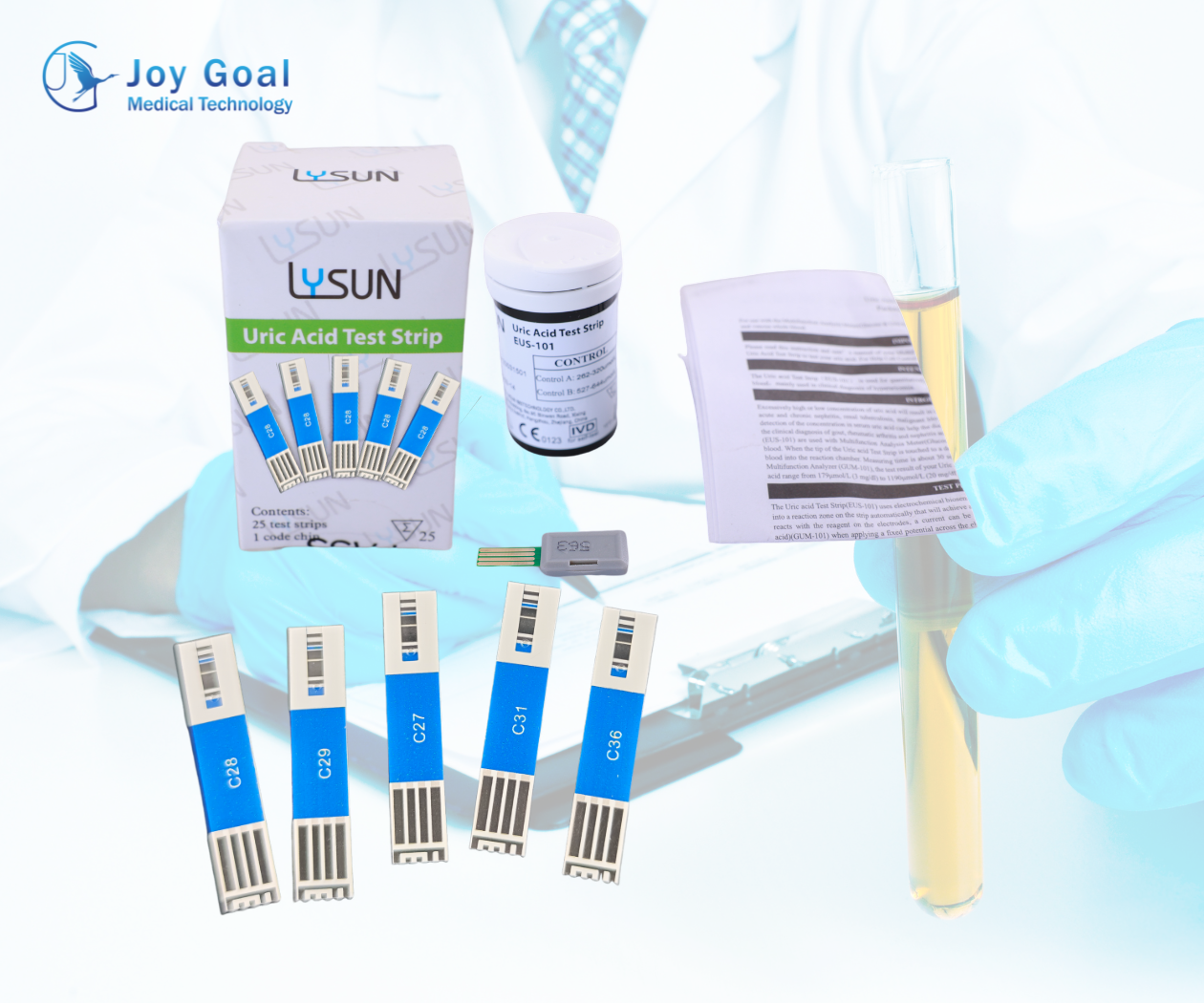
Uric acid is a nitrogen compound found in animal and plant bodies, derived from purine. It can accumulate in joints and kidneys, leading to conditions like arthritis and kidney disease. High levels of uric acid can cause hyperuricemia, often associated with gout.
High blood pressure is a common condition that affects the body’s arteries. It’s also called hypertension. If you have high blood pressure, the force of the blood pushing against the artery walls is consistently too high. The heart has to work harder to pump blood.
A pulse oximeter can also measure blood oxygen saturation levels through a small clip that’s usually placed on your finger or toe. An oximeter reading only indicates what percentage of your blood is saturated with oxygen, known as the SpO2 level, as well as your heart rate.
An electrocardiogram (ECG) is one of the simplest and fastest tests used to evaluate the heart. Electrodes (small, plastic patches that stick to the skin) are placed at certain spots on the chest, arms, and legs. The electrodes are connected to an ECG machine by lead wires.
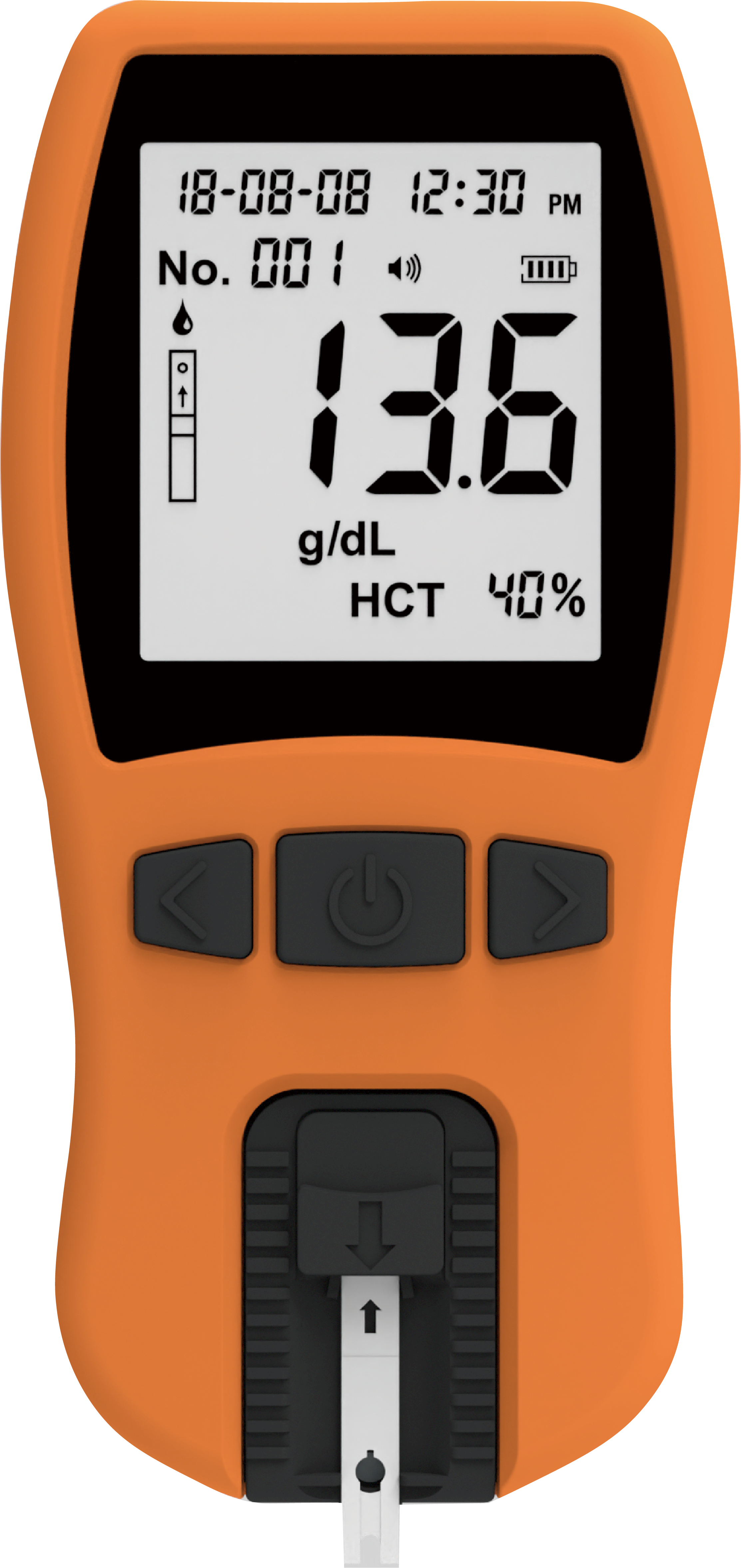
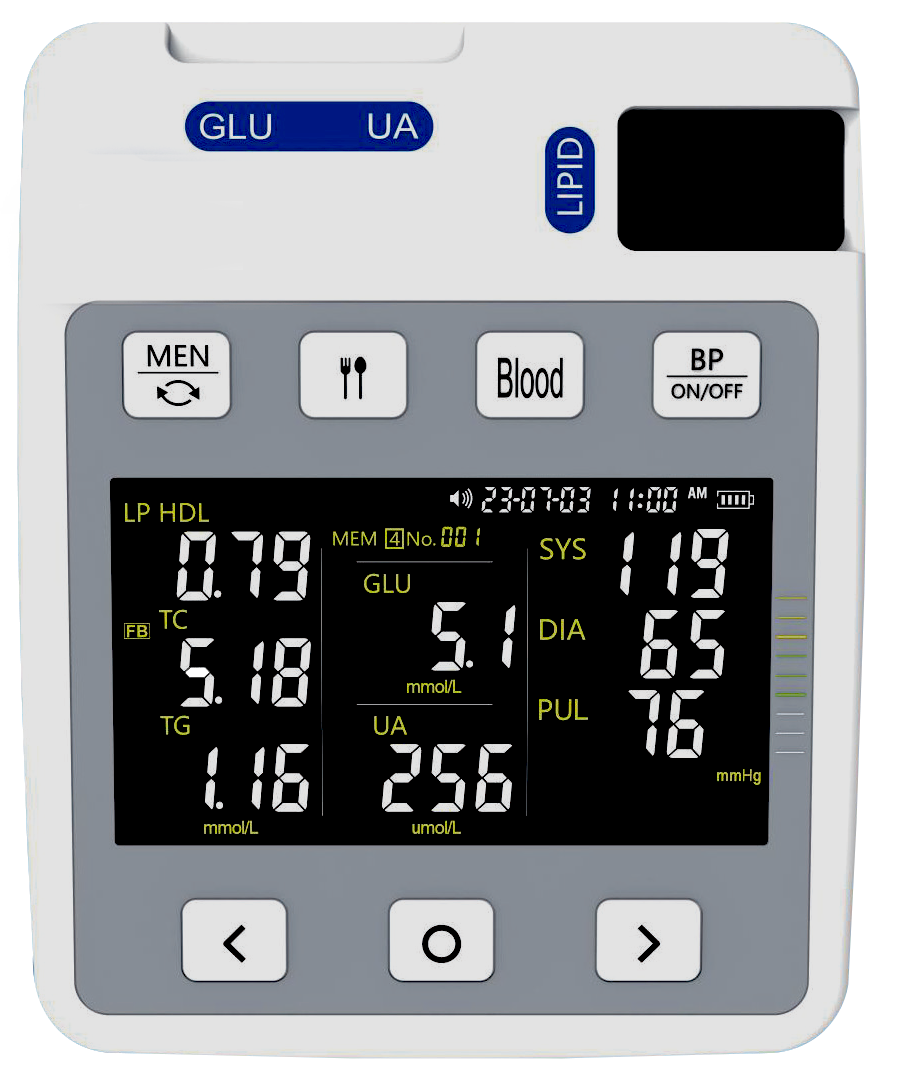
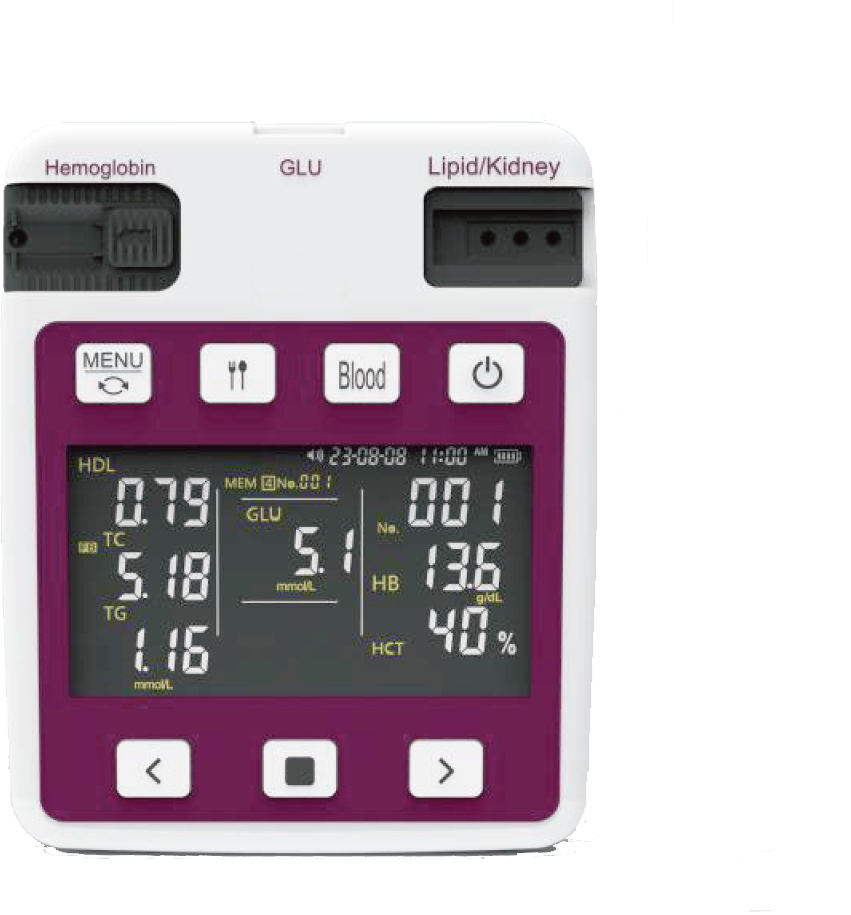
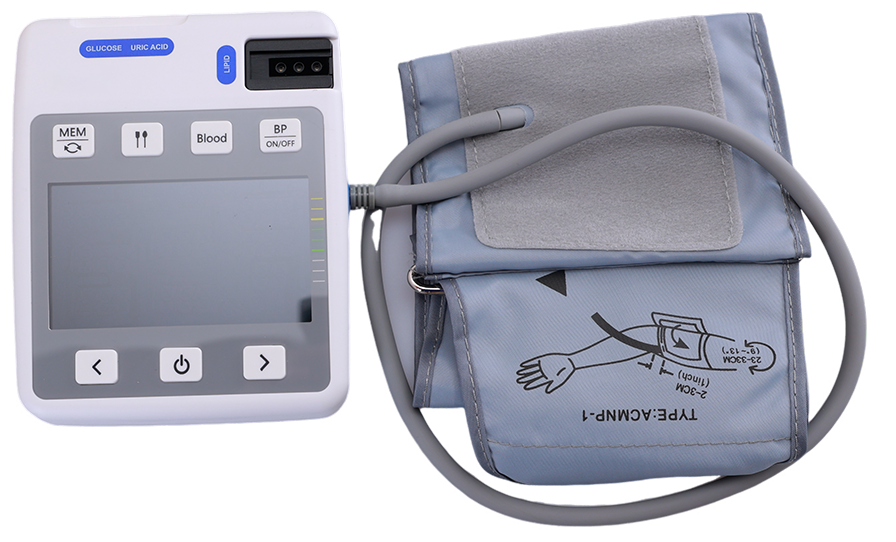
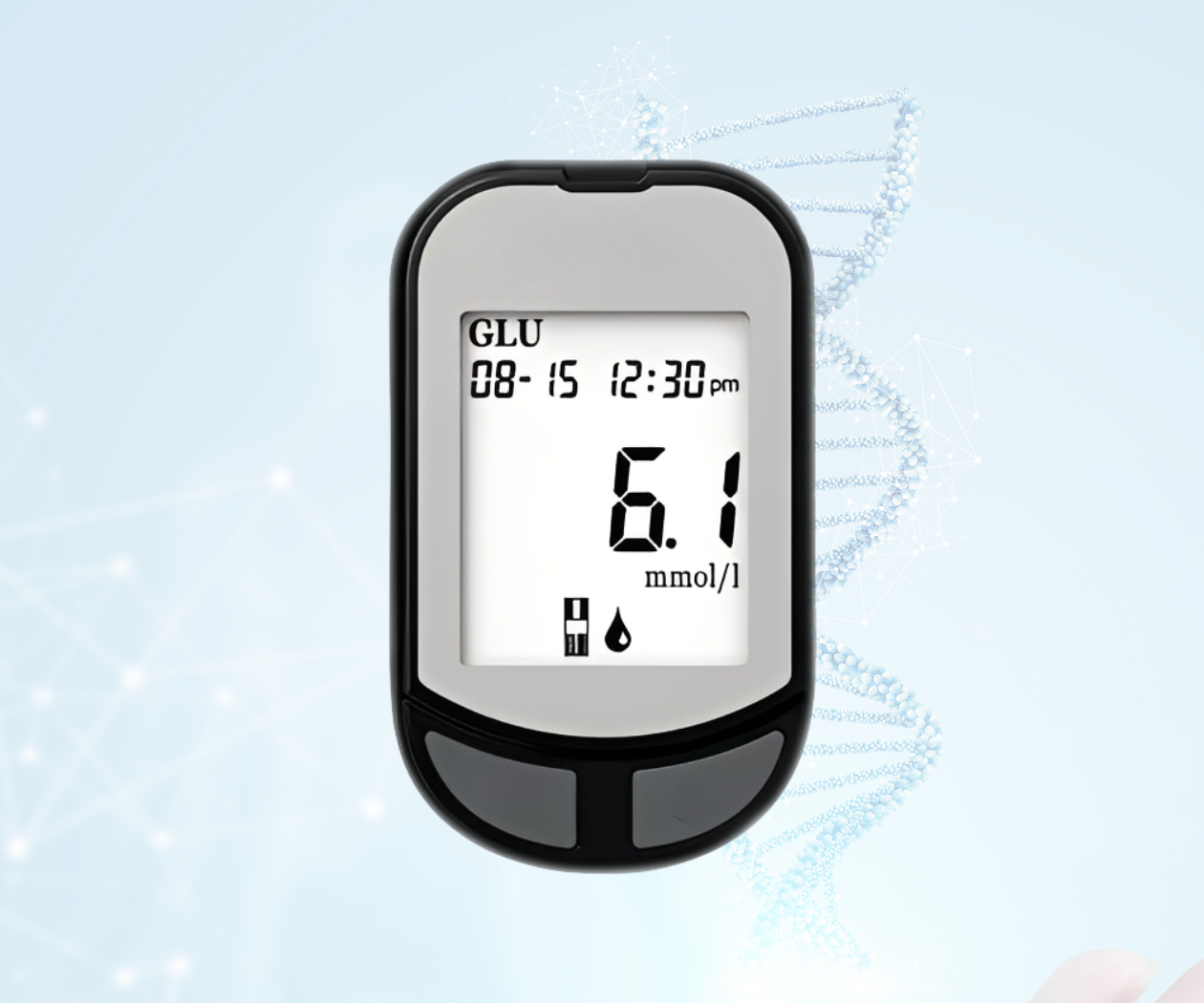
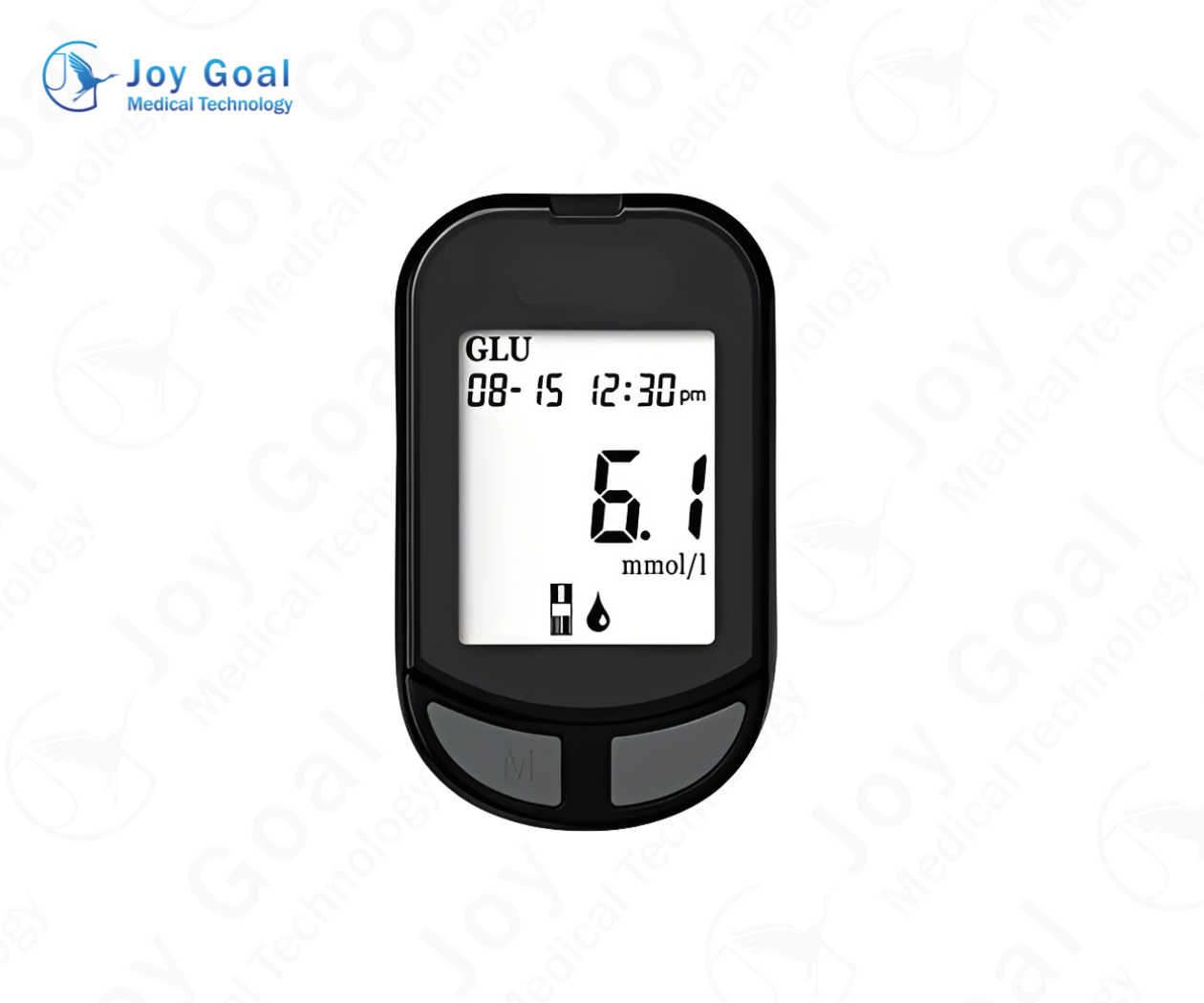
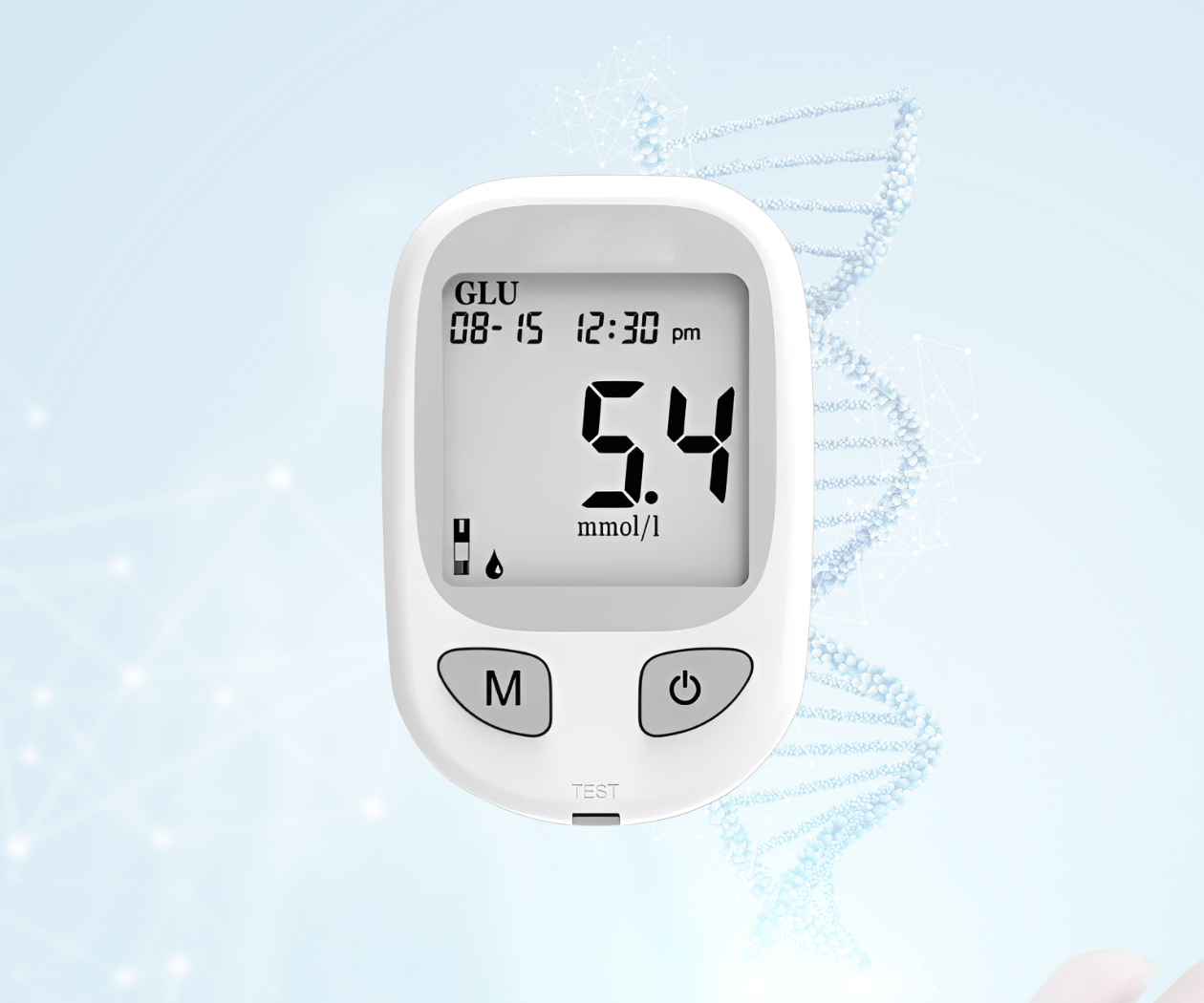
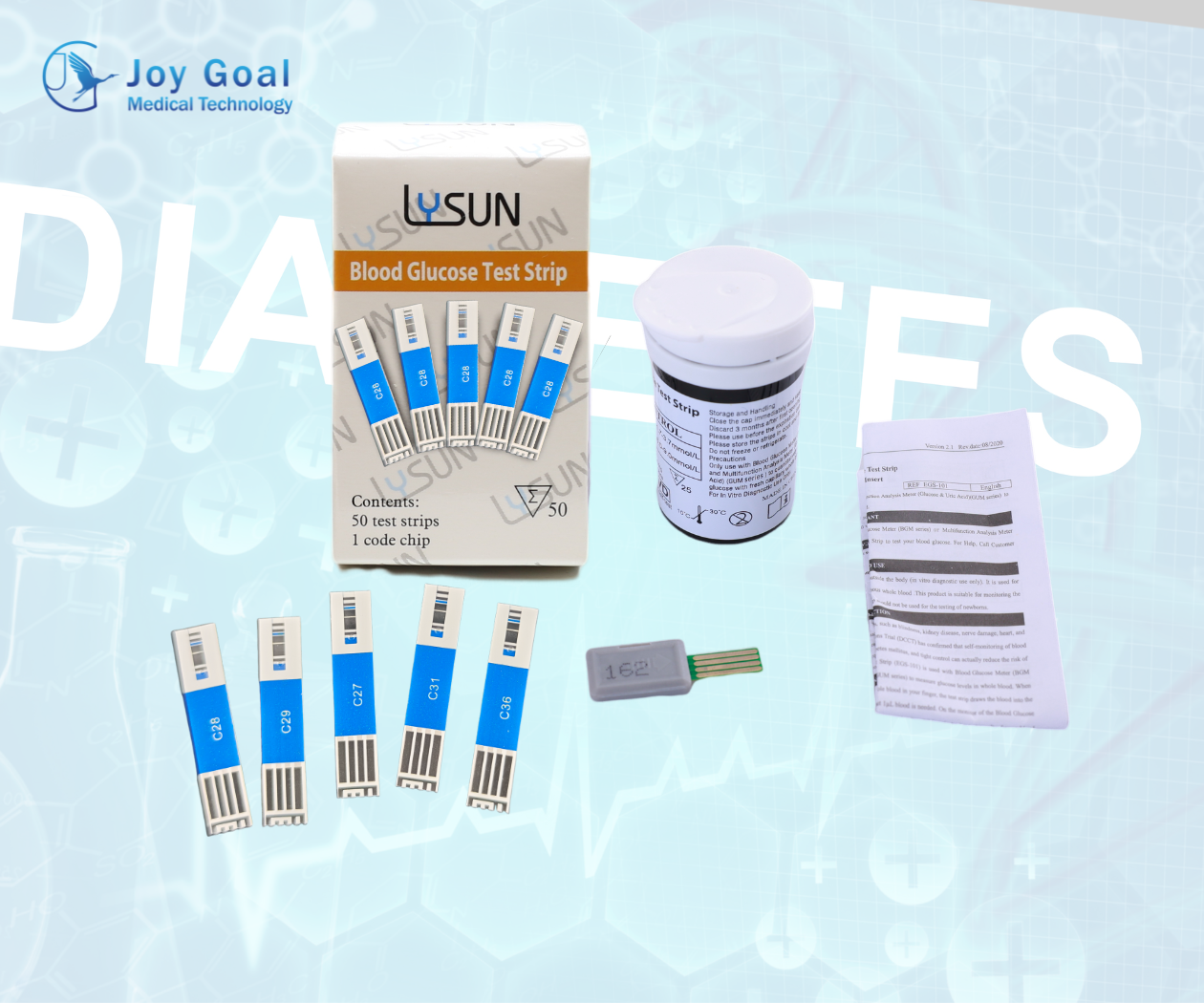
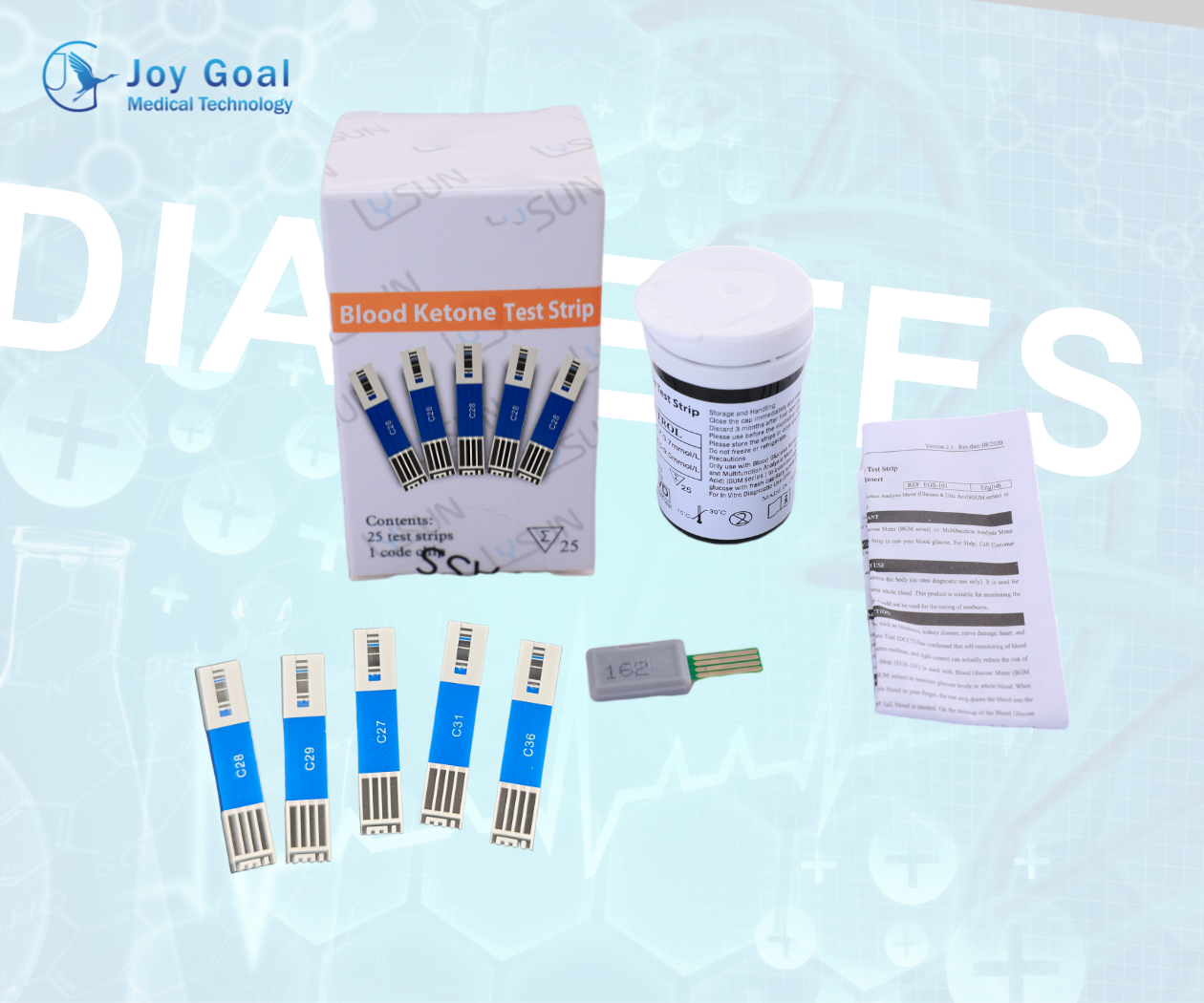
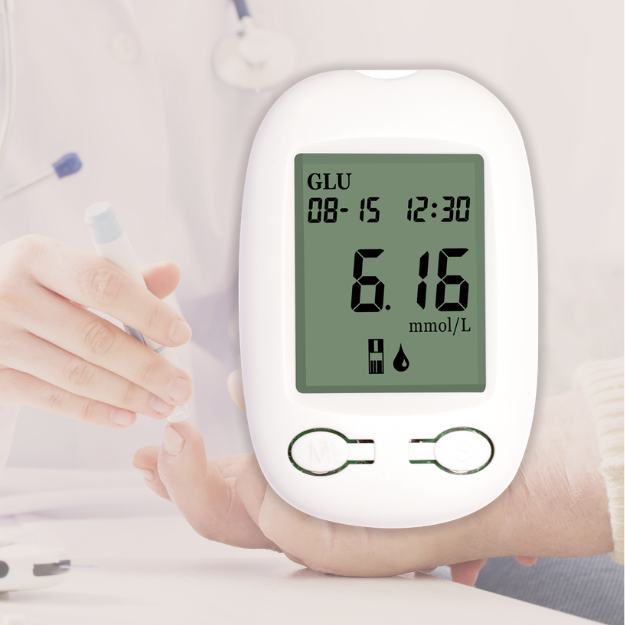
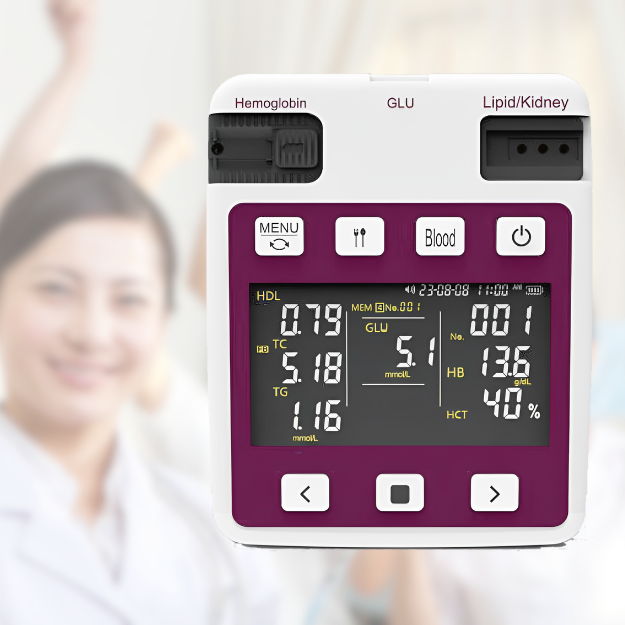
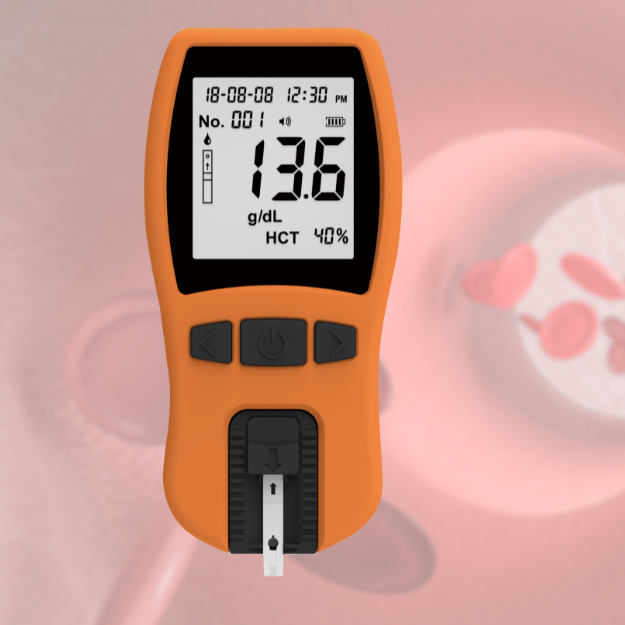
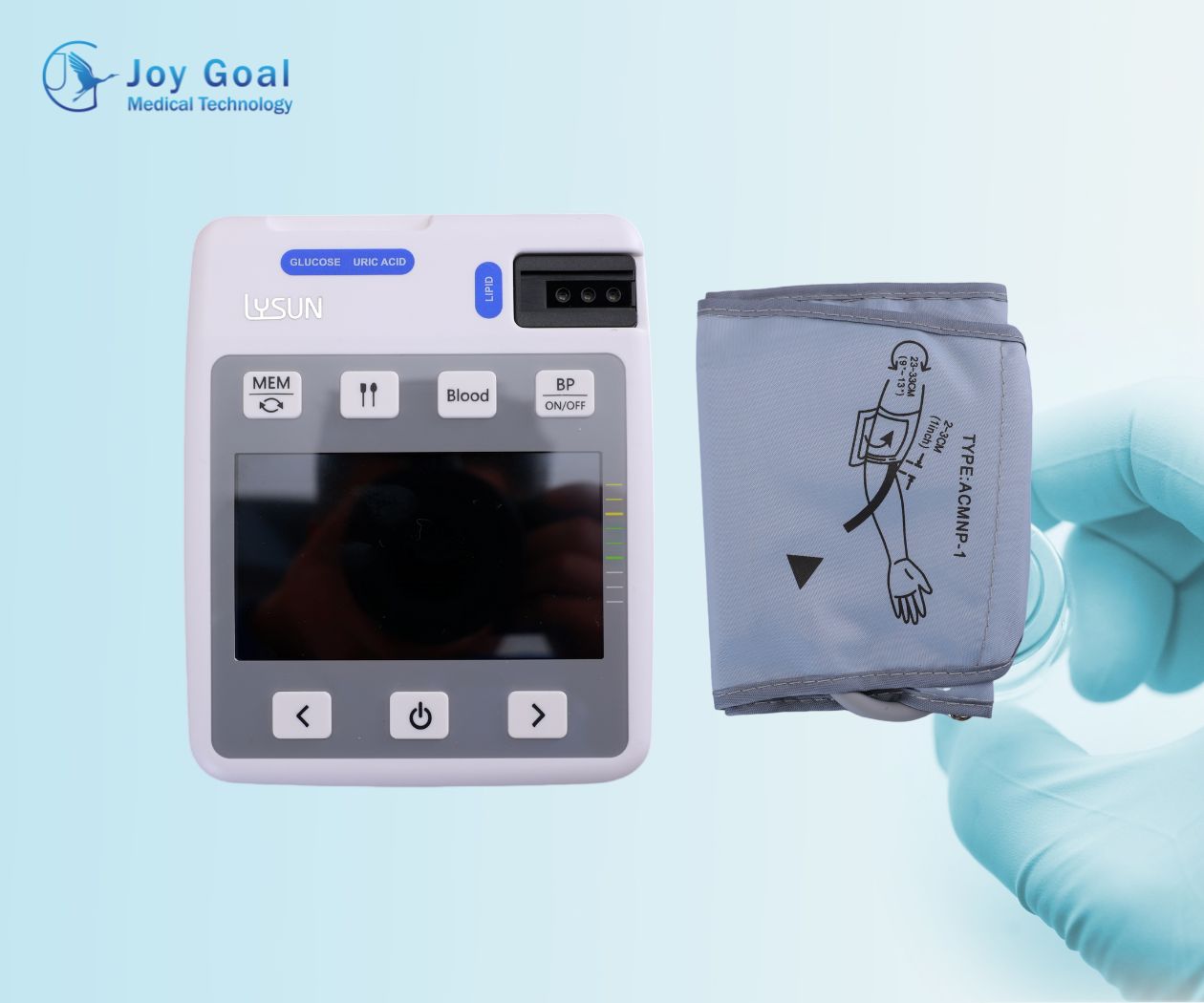
Multi-function Analyzer(Blood Glucose, Uric Acid, Blood Ketone, Total Cholesterol) (GUKC-102) is designed to quantitatively measure glucose,uric acid , blood ketone or total cholesterol with fresh capillary whole blood or venous whole blood.
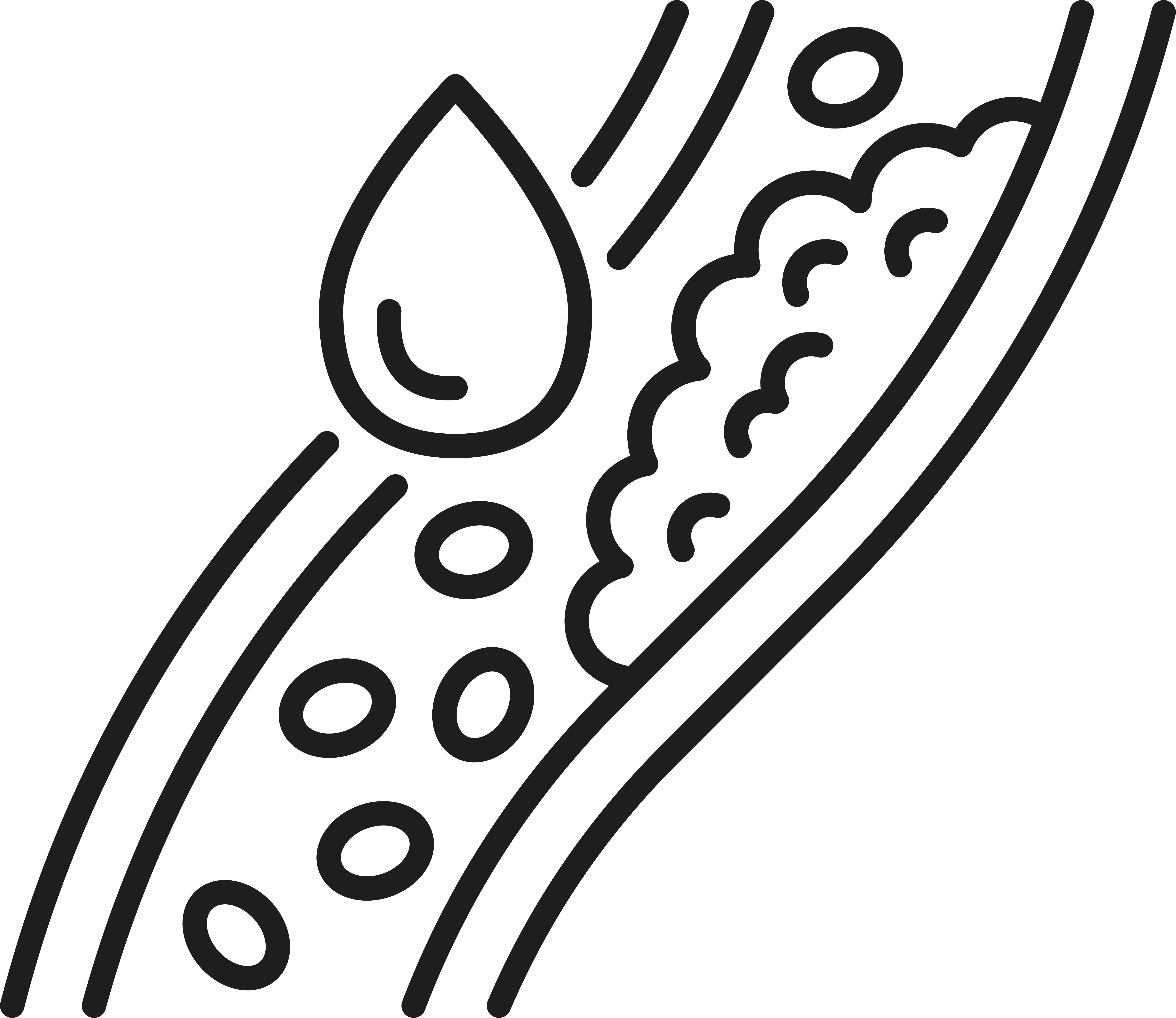
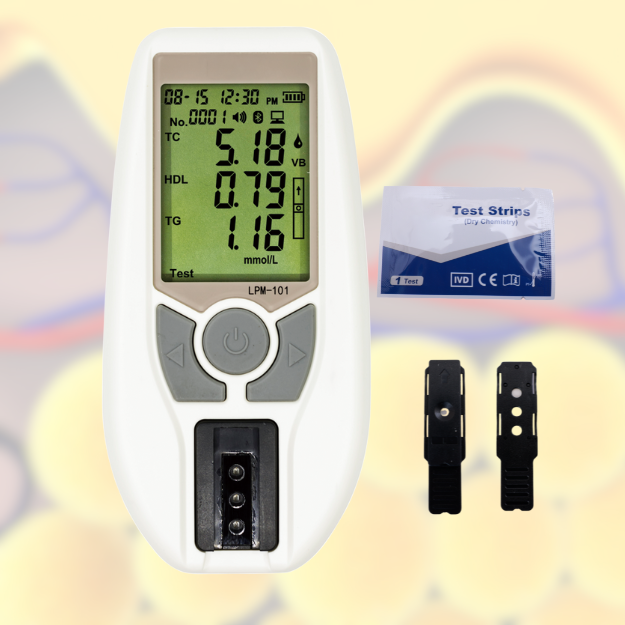
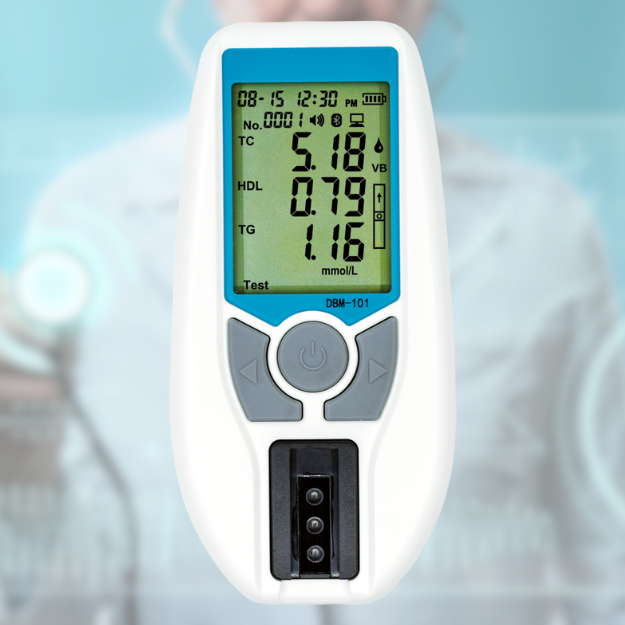
The 3-1 Lipid Panel is used to measure the concentrations of Total Cholesterol (TC), High Density Lipoprotein Cholesterol (HDL) and Triglycerides (TG). It is also used to calculate LDL, TC/HDL.